GSA SER Global Site List
Mastering the GSA SER Global Site List for Powerful Link Building
When working with GSA Search Engine Ranker, one of the most critical files you can add to your setup is a carefully curated GSA SER global site list. This centralized collection of target URLs serves as the foundation for automated campaigns, giving the software a massive pool of platforms where it can create backlinks, register accounts, and submit content without relying solely on real-time scraping.
What Exactly Is a Global Site List?
A GSA SER global site list is a pre‑compiled text file containing verified URLs of websites that accept various submission types – web 2.0 blogs, article directories, social bookmarks, wikis, forum profiles, and more. Instead of depending entirely on the software’s built-in search engine scraping, you feed it this list to save time, bypass captchas at scale, and hit targets that might not appear in regular searches. The list is loaded through the project’s options, and GSA SER will distribute the links across all projects that are configured to use it.
Why You Need a High-Quality GSA SER Global Site List
A raw, unverified scraped list often contains dead domains, pages blocked by robots.txt, or sites that no longer allow posting. A refined GSA SER global site list offers several game-changing advantages:
- Massively faster submission rates, as the software skips time‑consuming scraping phases.
- Higher success rates because URLs are pre‑checked for engine compatibility and active forms.
- Reduced consumption of proxies and captcha solving credits, lowering overall campaign costs.
- Access to niche-specific platforms that are hard to discover through automatic searches.
- Consistent backlink diversity across blog comments, trackbacks, microblogs, and other engine types.
How to Import and Use the List
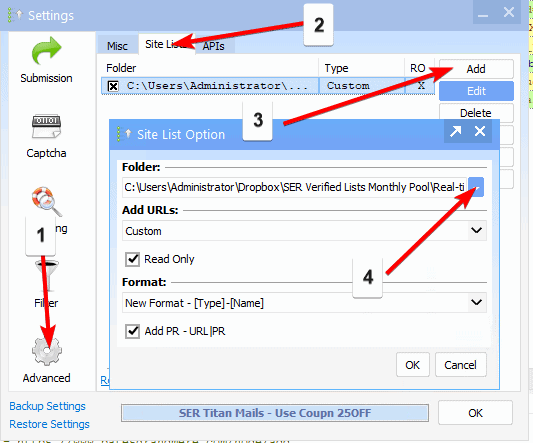
Integrating a GSA SER global site list is straightforward. After obtaining a verified list (saved as a .txt file), open your GSA SER project, navigate to the “Options†tab, and click “Global Site Listsâ€. Under “Import from fileâ€, select your list. You can choose to share the list among all projects or assign it to specific ones. Once imported, the software starts cycling through the URLs immediately during the next submission cycle.
Maintaining Freshness and Relevance
Even the best GSA SER global site list degrades over time. Sites go offline, change their engines, or add anti-spam protections. Regular list cleaning is essential. Many advanced users schedule weekly or monthly updates by re‑scraping and merging fresh lists, then removing duplicates and dead URLs with tools like ScrapeBox or internal GSA SER verification. A dynamic, well‑maintained global list keeps your backlink velocity high and your campaigns off Google’s radar.
Building Your Own vs. Buying a Premium GSA SER Global Site List
You have two main paths: compile your own list through aggressive scraping and filtering, or purchase a professionally verified GSA SER global site list from reputable SEO communities. Building from scratch gives you full control but demands significant time, proxy resources, and technical know‑how to avoid massive footprints. Premium lists, on the other hand, often come pre‑sorted by platform type, language, and domain authority, allowing you to focus on strategy rather than data collection.
Customizing the List for Tiered Link Building
A global list is not only for get more info direct money site links. Many SEO professionals use a tiered approach where the GSA SER global site list feeds lower tiers (Tier 2 and Tier 3). For example, you can set a project to blast web 2.0 profiles and wiki links to your Tier 1 buffer sites using a massive but moderate-quality list. This structure insulates your main website while still passing link juice through a powerful pyramid.
Frequently Asked Questions About the GSA SER Global Site List
What exactly is the difference between a project site list and a global site list?
A project site list is specific to a single GSA SER campaign and overrides any global settings for that project. The GSA SER global site list, however, is shared across multiple projects. It is extremely useful when you manage dozens of campaigns that all benefit from the same batch of verified, high‑quality target URLs.
Can I mix platforms like WordPress, Joomla, and generic forums in the same GSA SER global site list?
Absolutely. GSA SER automatically detects the platform and engine type from the URL and metadata. A well‑rounded GSA SER global site list should contain a healthy mix of different content management systems and submission types to emulate natural link diversity. Just ensure the list is properly formatted, one URL per line, with optional engine identifiers if needed.
How often should I update my global site list?
The ideal frequency depends on how aggressively you build links. For moderate campaigns, refreshing the GSA SER global site list every two to four weeks is sufficient. High‑volume setups may require weekly updates to keep the success rate above 80%. Look for signs like a sudden drop in verified links or an increase in “download failed†log entries – that’s your cue to replace the list.
Will using a global site list leave a footprint that Google can penalize?
Not when used carefully. A footprint arises only if everyone uses the exact same list unchanged. You can easily randomize the link pattern by mixing multiple trusted lists, adding your own scraped domains, and using GSA SER’s built‑in features to randomize posting times, anchor texts, and content. The GSA SER global site list is a tool; how you blend and deploy it determines safety.
Where can I find a reliable GSA SER global site list?
Avoid free lists from unknown sources—they are often riddled with spam and dead links. Instead, search SEO forums, private groups, or service providers who sell monthly updated packs. Always test a sample before purchasing. A trustworthy provider will show live statistics for success rates and actively verify the GSA SER global site list against the latest blacklist databases.
Do I still need to use the “Search Engines†function if I have a global site list?
You can disable search engine scraping entirely if your global site list is large and robust enough, but a hybrid approach often works best. Keep a small number of search queries active to discover brand‑new targets that haven’t been added to any GSA SER global site list yet, then feed those fresh URLs back into your master list after verification. This keeps your pool constantly growing.